Microdermabrasion & Dermaplaning in Plano, TX
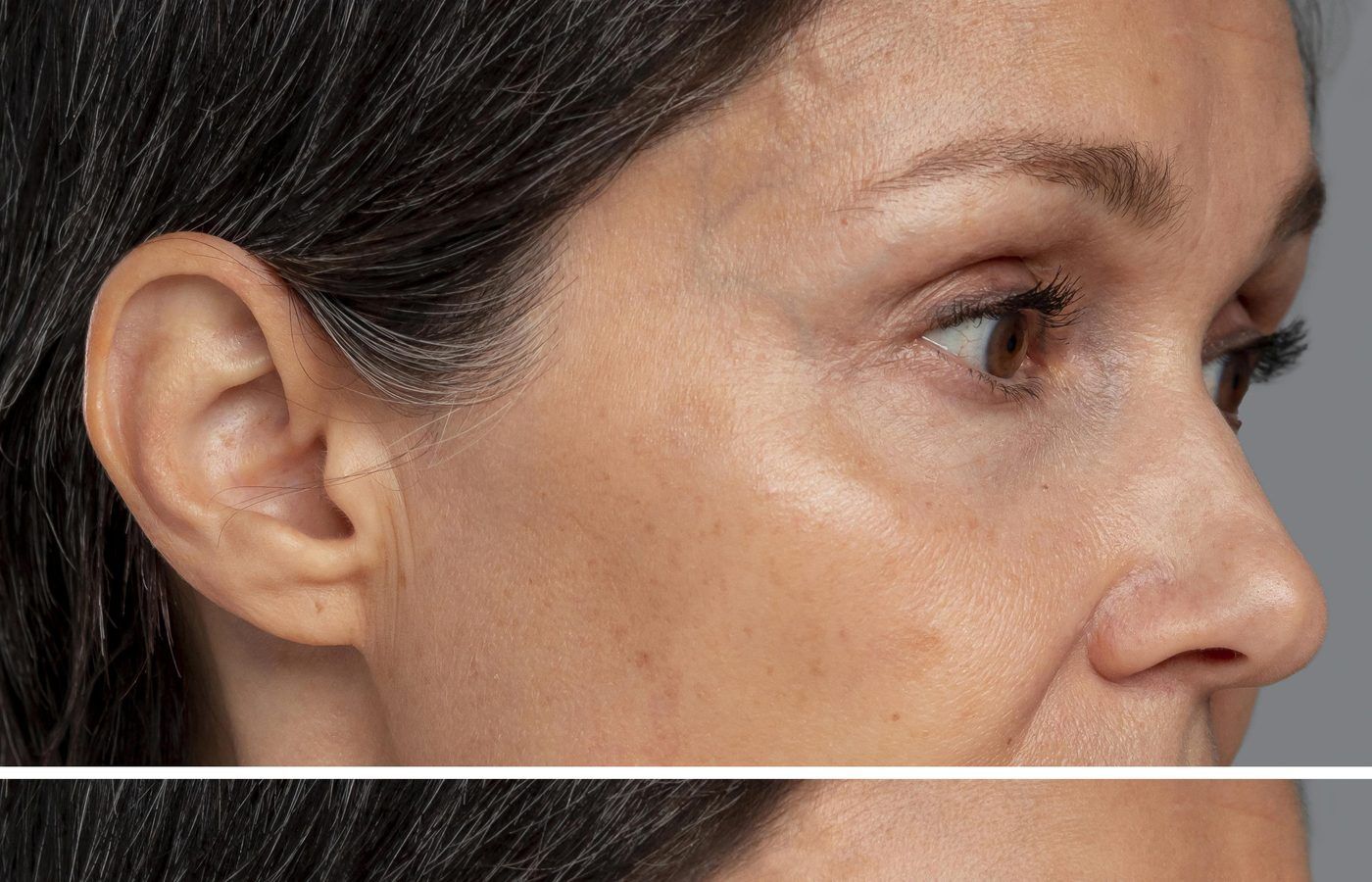
If your skin looks tired no matter how well you sleep, if foundation catches on dry patches, or if your face simply feels rough to the touch, the issue is often not what you are missing from your routine. It is what is sitting on top. Dead cells, sunscreen residue, product buildup and fine facial hair accumulate on the surface and dull the way light reflects off your skin. Professional exfoliation clears that layer away, and two of the most requested ways to do it are microdermabrasion and dermaplaning.

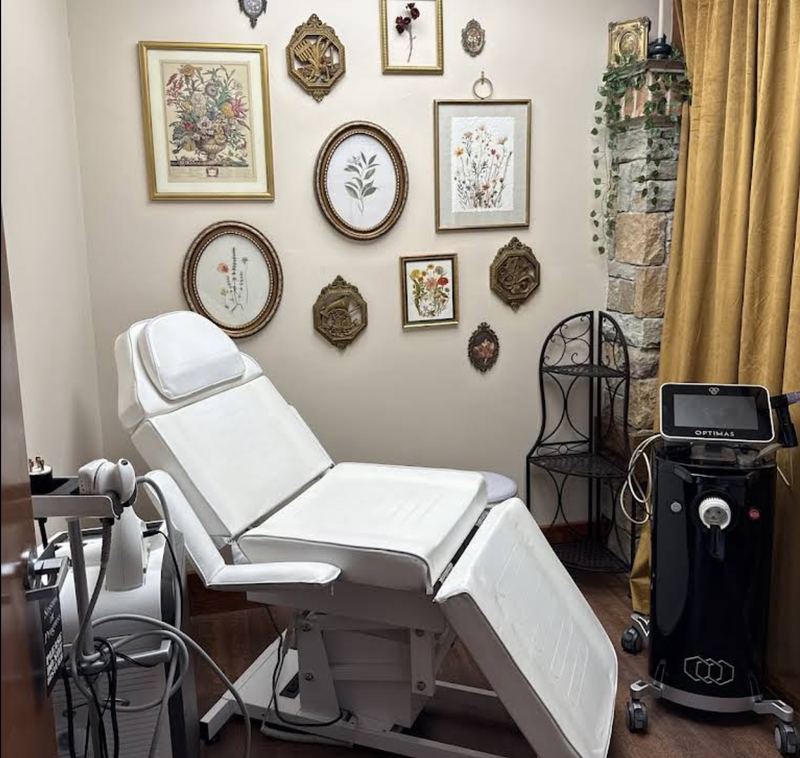
At MD Laser Med Spa in Plano, TX, both treatments are performed by licensed professionals who start with a skin analysis rather than a script. If you have been searching for an exfoliating facial near me and cannot tell which service you actually need, this page walks through how each one works, what it addresses, how it compares to a HydraFacial or a chemical peel, and how to decide. Results vary from person to person, and the right choice depends on your skin, not on a trend.

What Is Microdermabrasion and How Does It Work?

Microdermabrasion is a mechanical resurfacing treatment. A handheld device passes over the skin and uses a gently abrasive surface, most often a diamond-tipped wand, combined with controlled suction. The abrasion loosens the outermost layer of dead skin cells while the vacuum lifts that debris away in the same motion. Nothing is injected, no acid is applied, and no anesthetic is required.

The treatment works only on the stratum corneum, the very top layer of the epidermis. That is deliberate. By staying superficial, microdermabrasion can smooth the surface and encourage cell turnover without the recovery period associated with deeper resurfacing. A full-face session usually takes around 30 minutes, and your provider adjusts suction strength and the number of passes based on how your skin responds in real time.

If you want a deeper look at the technology and the science behind it, our team put together a complete guide to microdermabrasion that covers the process step by step.

What Microdermabrasion May Help Address

Microdermabrasion is a texture and clarity treatment. Clients in Plano and Frisco commonly book it for:

  • Dullness and lack of glow. A buildup of dead cells scatters light unevenly. Removing it may help skin reflect light more smoothly, which reads as brightness.
  • Congestion and clogged pores. The suction element may help lift surface debris from pore openings, and many clients notice pores appear less obvious afterward.
  • Rough, uneven texture. This is the concern microdermabrasion is best known for. Skin that feels grainy or bumpy to the touch often feels noticeably smoother.
  • Mild surface pigmentation. Superficial discoloration and the shadow left behind by old blemishes may soften gradually over a series of sessions. Deeper pigment such as melasma generally needs a different approach.
  • Poor product absorption. Serums and moisturizers sit on top of buildup. With that layer reduced, many clients feel their products sink in more effectively.
  • Fine lines at the surface. Very fine textural lines may look softer, though microdermabrasion does not address deeper wrinkles or laxity.

What Is Dermaplaning and How Does It Work?

Dermaplaning uses a sterile surgical-grade blade held at a shallow angle against taut skin. Your provider draws it across the surface in short, controlled strokes, shaving off dead skin cells and the fine vellus hair, the soft fuzz most people call peach fuzz, at the same time. It sounds intimidating and is not. There is no cutting, no numbing and, for most clients, no discomfort beyond a light scraping sensation.

Because a blade can reach areas a machine cannot, dermaplaning is precise around the jawline, the sides of the nose and the upper lip. A session typically runs 30 to 45 minutes including cleansing and finishing steps. This is a treatment that should only be performed by a trained, licensed professional. Home dermaplaning tools carry a real risk of nicks, uneven removal and irritation. Our dermaplaning in Plano, TX guide goes into more detail on what a professional session involves.

What Dermaplaning May Help Address

  • Vellus hair, or peach fuzz. This is the primary reason most clients book. Fine facial hair traps oil and product and catches light in a way that can make skin look fuzzy or matte in photos.
  • Dry, flaky patches. Blade exfoliation removes flaking effectively, which matters in North Texas where indoor heating and dry winter air are a year-round factor.
  • Makeup application. This is the difference clients mention most. Without fuzz and flaking, foundation tends to sit flat and even instead of clinging or separating.
  • A smoother, softer finish. Skin usually feels immediately smooth, which is why dermaplaning is a popular choice before photos and events.
  • Product penetration. As with microdermabrasion, clearing the surface may help topical products absorb more readily.

The Peach Fuzz Myth, Settled

The single most common question we hear at our Plano studio is whether dermaplaning makes hair grow back thicker or darker. It does not, and the reason is straightforward anatomy. Hair is produced by the follicle, which sits below the skin surface. Its thickness, color and growth rate are set by genetics and hormones. Dermaplaning cuts hair at the surface and never reaches or alters the follicle, so it has no mechanism by which it could change how hair grows.

What creates the illusion is the cut itself. Vellus hair grows with a naturally tapered, fine tip. When a blade cuts straight across, the regrowing hair has a blunt end that can feel slightly coarser for a short time, exactly the way stubble feels after shaving anywhere else on the body. It is a change in shape at the tip, not in the hair. Within a week or two the hair grows out and returns to its usual soft texture. If unwanted hair is your actual concern rather than exfoliation, laser hair removal addresses the follicle itself, and our TDLR-certified team can walk you through that option instead.

Microdermabrasion vs. Dermaplaning vs. HydraFacial vs. Chemical Peel: How to Choose

These four treatments overlap enough to be confusing and differ enough that the wrong pick means a wasted appointment. Here is how they separate:

  • Microdermabrasion — mechanical, abrasive. Best suited to rough texture, congestion and dullness. Choose it when your skin feels uneven and you want physical resurfacing with minimal downtime.
  • Dermaplaning — mechanical, blade. Best suited to peach fuzz, flakiness and makeup prep. Choose it when your skin looks fuzzy or dry rather than rough or congested, and when a flawless makeup finish matters.
  • HydraFacial — hydradermabrasion, water-based. Combines gentle exfoliation, extraction and infusion of hydrating serums in one device. Choose it when your skin is sensitive, dehydrated or reactive and you want cleansing plus hydration in a single visit rather than abrasion alone.
  • Chemical peel — chemical exfoliation. Uses professionally selected acids to dissolve the bonds between dead cells and work at a depth mechanical methods do not reach. Choose it for more stubborn pigmentation, acne-prone skin or sun damage, and expect a longer recovery window with visible peeling depending on strength.

A simple way to think about it: dermaplaning removes what is on the surface, microdermabrasion resurfaces the surface, a HydraFacial cleans and rehydrates the surface, and a chemical peel works beneath it. There is no universally best option. There is only the one that matches your skin at this moment, which is exactly what a skin analysis is for.

Who Is a Good Candidate for Each?

Microdermabrasion tends to suit clients with normal, combination or oily skin who are dealing with texture, congestion or dullness and are not currently using strong topical actives. It is a practical entry point for anyone new to professional exfoliation.

Dermaplaning tends to suit clients with noticeable vellus hair, dry or flaking skin, or an event on the calendar. It works well for most skin tones and is often a comfortable first professional treatment.

Some conditions call for a different plan. Active inflammatory acne, cystic breakouts, open lesions, actively flaring rosacea, eczema on the face, cold sore outbreaks or recent sunburn are generally reasons to postpone or choose an alternative such as a HydraFacial or an appropriately selected peel. Abrading or blading over inflamed skin can worsen it and may spread bacteria. Recent isotretinoin use, certain prescription retinoids and recent injectables also affect timing. Tell your provider about your full skincare routine and medical history at your visit. A skin analysis determines the right treatment, and if these services are not appropriate for you, we will say so and recommend something that is.

What to Expect at Your Appointment

  1. Consultation and skin analysis. Your provider reviews your concerns, current products, medications and history, then examines your skin to confirm the right treatment and settings.
  2. Cleansing. Makeup, sunscreen and surface oil are removed thoroughly so the treatment can work on clean skin.
  3. The treatment. For microdermabrasion, the wand passes over the skin in sections with adjustable suction. For dermaplaning, your skin is held taut while the blade moves in short strokes. Both are generally described as comfortable.
  4. Optional add-ons. Depending on your skin, your provider may finish with a hydrating mask, a soothing serum or LED, or may pair the exfoliation with another service.
  5. Finishing and aftercare. Skin is calmed, moisturized and protected with SPF before you leave, and you receive specific home care instructions.

Plan on roughly 30 to 60 minutes in the studio depending on the service and any additions.

Downtime and Aftercare

Downtime is typically minimal for both treatments. Most clients head straight back to work or plans afterward. Mild pink flushing, a warm feeling or slight tightness may last a few hours, and skin may feel drier than usual for a day or two. Individual responses vary.

  • Sun protection is the priority. Freshly exfoliated skin is more vulnerable to UV, and Texas sun is unforgiving well beyond summer. Apply a broad-spectrum SPF 30 or higher every morning, reapply during the day, and use a hat or shade if you will be outdoors. Skip tanning entirely.
  • Pause strong actives for several days. Retinoids, glycolic and salicylic acids, benzoyl peroxide and scrubs should wait until your provider clears you.
  • Keep it simple and hydrating. A gentle cleanser and a bland moisturizer are all your skin needs for the first 48 to 72 hours.
  • Avoid heat and sweat for about 24 hours. Hot yoga, saunas, steam rooms and intense workouts can aggravate freshly treated skin.
  • Do not pick or scrub. Let the skin settle on its own.
  • Hold off on waxing or other hair removal in the treated area until your provider advises it is fine.

How Often Should You Repeat Them?

Both treatments are commonly scheduled roughly every three to four weeks, which tracks with the natural cell turnover cycle. Repeating sooner does not speed results and can over-exfoliate, leaving skin sensitized and compromised. Some clients start with a closer series to work on texture, then settle into maintenance every four to six weeks. Others book seasonally or ahead of events. Consistency generally matters more than frequency, and your provider will recommend a rhythm based on how your skin actually responds. Results vary.

Pairing Treatments Before an Event

Wedding, reunion, engagement session, milestone birthday, a photographed work event: exfoliation is often the last step in a longer plan, not the whole plan. Dermaplaning in particular is popular before events because it gives makeup a clean canvas, and many clients book it five to seven days out so any temporary pinkness has fully settled.

The important part is sequencing. Deeper treatments such as peels, laser services or injectables need to happen earlier in the timeline, with exfoliation closer to the date. And your event should never be your first time trying a treatment. Our guide to timing your med spa treatments before a big occasion lays out a realistic calendar. If you have a date circled, bring it to your consultation and we will build backward from it.

Why Choose MD Laser Med Spa in Plano

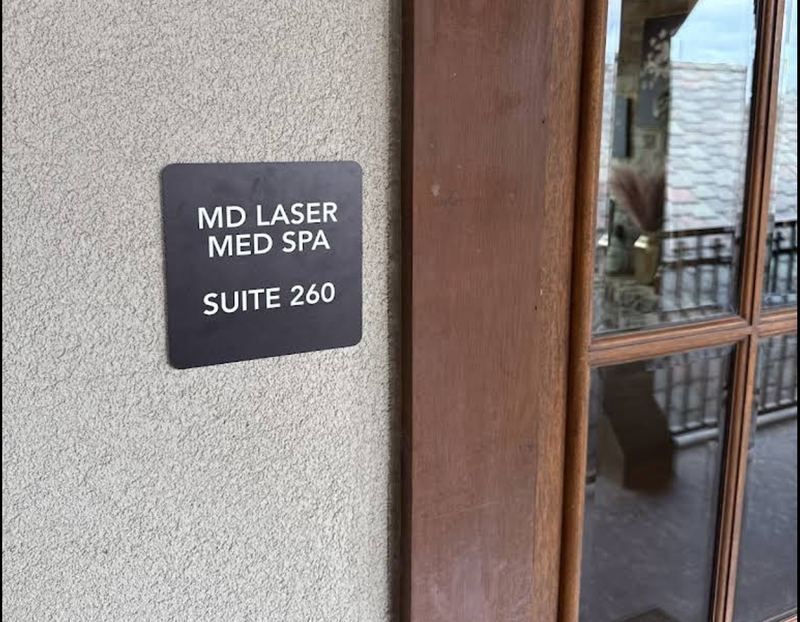
Our Plano studio sits at 3001 Dallas Pkwy, Ste 260, Plano, TX 75093 on the second floor, west entrance, minutes from Legacy West and easily reached from Frisco, Allen, North Dallas, Richardson, Carrollton and The Colony.

  • Credentialed, experienced providers. Tuba K. is a TDLR-certified Aesthetician and Laser Hair Removal Professional with more than 20 years in medical aesthetics. Sabrina C. is an esthetician and laser technician. Mustafa K. is a TDLR-certified LSO and LHR Technician who holds an MD degree.
  • Analysis before treatment, every time. We do not sell a service you do not need. If your skin would do better with a HydraFacial, a peel or a different plan altogether, that is what we will tell you.
  • Honest expectations. Skin care is cumulative. We explain what a treatment may help with and what it will not, and we never promise an outcome.
  • 95 Google reviews from clients across the Plano and North Dallas area.
  • Hours that work around a job. Tuesday through Saturday, 10:00 AM to 6:00 PM. Closed Sunday and Monday.

Frequently Asked Questions

Does dermaplaning make facial hair grow back thicker or darker?

No. Dermaplaning removes vellus hair at the surface of the skin and does not touch the follicle, so it cannot change the color, thickness or growth rate of the hair. Hair grows from the follicle below the skin, and the structure of that follicle is determined by genetics and hormones. What people notice is that a hair cut straight across at the surface has a blunt tip instead of a naturally tapered one, which can briefly feel coarser as it grows out. Within a couple of weeks the hair returns to its normal soft texture.

Which is better for me, microdermabrasion or dermaplaning?

It depends on your main concern. Microdermabrasion is often chosen for rough texture, congestion and dull-looking skin because it resurfaces with gentle abrasion and suction. Dermaplaning is often chosen when peach fuzz, flakiness and makeup application are the priority. Many clients alternate between the two, and some combine them in one visit. Your provider at our Plano studio performs a skin analysis first and recommends the option that suits your skin type, history and goals.

Is there any downtime after microdermabrasion or dermaplaning?

Downtime is typically minimal. Most clients return to work, errands or plans the same day. Mild pink flushing, a warm sensation or slight tightness may last a few hours, and skin can feel drier than usual for a day or two. Individual responses vary, so we review what to expect during your consultation.

How often should I repeat these treatments?

Both treatments are commonly scheduled every three to four weeks, which loosely follows the natural skin cell turnover cycle. Some clients begin with a closer series to address texture and then move to a maintenance visit every four to six weeks. Your provider will suggest a rhythm based on your skin's response rather than a fixed schedule.

Can I get microdermabrasion or dermaplaning if I have active acne or rosacea?

Active inflammatory acne, cystic breakouts, open lesions or actively flaring rosacea are usually reasons to choose a different approach. Abrasion and blading over inflamed skin may aggravate it. In those cases we often suggest a gentler alternative such as a HydraFacial or a professionally selected chemical peel. A skin analysis at your appointment determines what is appropriate for you.

How far before a wedding or event should I book?

A good rule is five to seven days before the event, and ideally after you have already had at least one treatment so you know how your skin responds. That leaves room for any temporary pinkness or dryness to settle. Booking the day before a major event is not something we recommend for a first-time client.

Will these treatments help my skincare products work better?

Many clients notice that serums and moisturizers feel like they absorb more readily once the surface layer of dead cells and debris has been reduced. Because the skin is more receptive afterward, we recommend keeping your routine simple and non-irritating for the first few days and avoiding strong actives such as retinoids and acids until your provider says it is fine to resume.

Do you serve clients outside of Plano?

Yes. Our Plano studio at 3001 Dallas Pkwy, Ste 260 is convenient to Frisco, Legacy West, Allen, North Dallas, Richardson, Carrollton and The Colony. Hours at both are Tuesday through Saturday, 10:00 AM to 6:00 PM, closed Sunday and Monday.

Book Microdermabrasion or Dermaplaning in Plano, TX

Smoother texture, a cleaner canvas for makeup and a brighter-looking complexion start with a conversation about your skin, not a guess. Come in, let one of our licensed providers analyze your skin, and we will recommend the exfoliation approach that actually fits, whether that is microdermabrasion, dermaplaning, or something else entirely.

Book your appointment online at MD Laser Med Spa — Tuesday through Saturday, 10:00 AM to 6:00 PM.

MD Laser Med Spa
3001 Dallas Pkwy, Ste 260, Plano, TX 75093
2nd Floor, West Entrance
Also serving Frisco, McKinney, Allen, Legacy West, North Dallas, Richardson, Carrollton and The Colony.