Chemical Peels in Plano, TX

You wash your face, you use good products, you drink the water — and your skin still looks tired. Tone that is not quite even. A dullness that makeup sits on top of instead of blending into. Old breakout marks that faded but never fully left. If that sounds familiar, a chemical peel in Plano may be one of the most efficient ways to reset the surface of your skin and get light bouncing off it again.

At MD Laser Med Spa, peels are not a one-size product pulled off a shelf. Every treatment starts with a consultation and a skin analysis, because the peel that transforms one client's complexion can be the wrong call for the person sitting in the next chair. Below is an honest walkthrough of how peels work, what they can and cannot address, what the recovery really looks like day by day, and how to plan one around a wedding, a reunion, or a Legacy West event.

What Is a Chemical Peel?

A chemical peel is a professionally applied solution that accelerates your skin's natural exfoliation process. Rather than scrubbing the surface away with grit, a peel uses controlled chemistry to loosen the bonds holding dead, dull cells in place. Those cells release and shed over the following days, and the skin underneath responds by turning over faster and rebuilding.

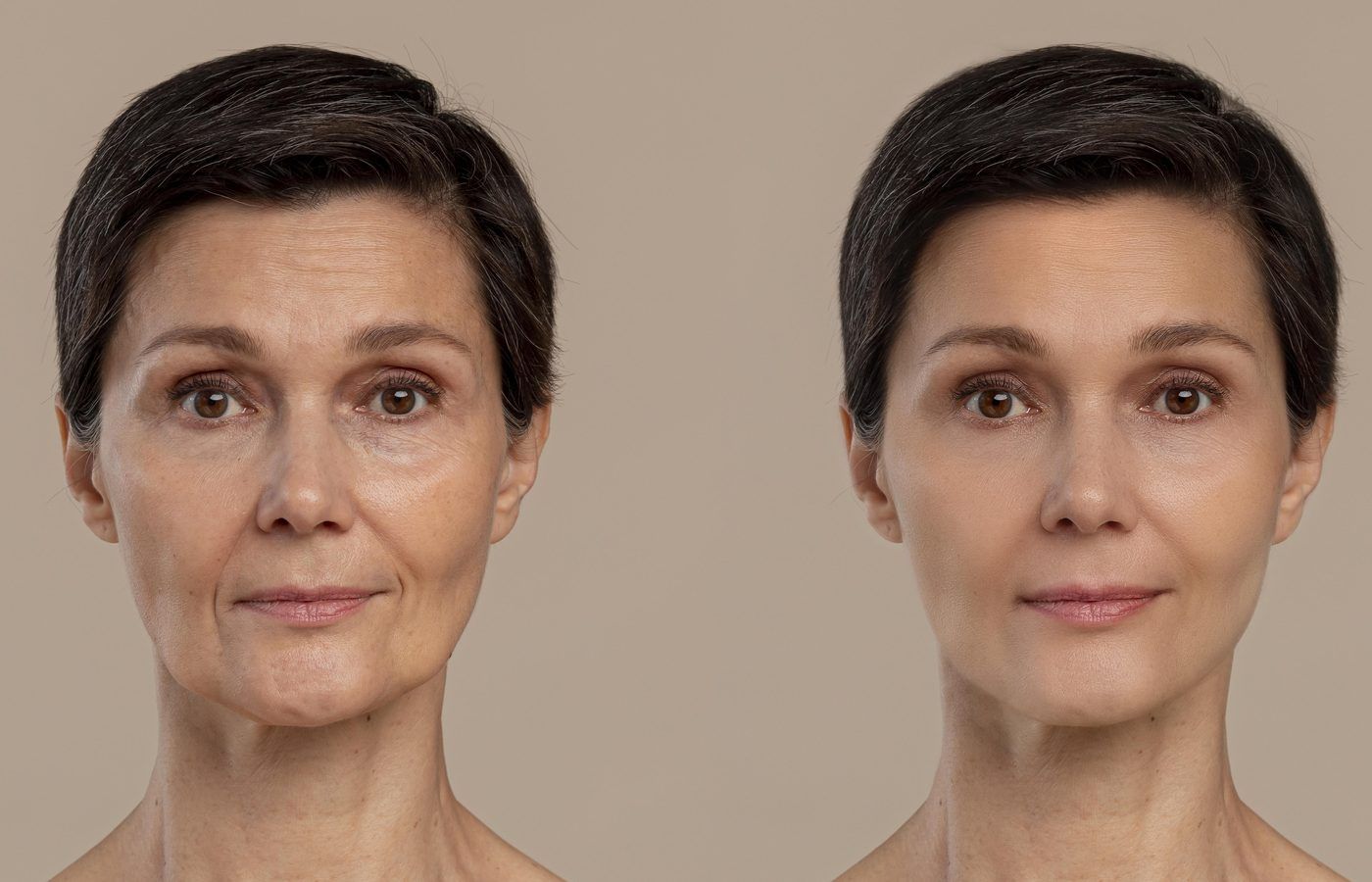
The point is not the peeling itself — that is a side effect, not the goal. The real work happens in the signal it sends. Your skin responds to a controlled treatment by increasing cellular turnover, redistributing pigment more evenly, and stimulating support structures in the dermis. Many clients notice their skin feels smoother within days and looks brighter within a week or two, though results vary by skin type, peel depth, and how consistently aftercare is followed.

If you want a deeper primer before your appointment, our team put together a full guide covering everything you need to know about chemical peels, from ingredient families to how peels fit alongside other treatments.

Peel Depths Explained

Peels are grouped by how deeply they work. Depth drives everything: the intensity of the treatment, the downtime, the number of sessions, and who is a good candidate.

Superficial Peels

Superficial peels work on the outermost layer of skin. They are the most commonly requested option and the most flexible — appropriate for a wide range of skin types, easy to build into a series, and generally associated with minimal social downtime. Expect light flaking rather than dramatic sheeting. These are the peels most people mean when they search for a chemical peel near me before an event, and they tend to be the starting point for anyone new to peels or with sensitive skin.

Medium-Depth Peels

Medium-depth peels reach further into the skin and are used when the concern is more established — stubborn discoloration, more pronounced texture irregularity, or sun damage that has accumulated over years of Texas summers. The tradeoff is real downtime: more visible peeling, more redness, and a stricter aftercare window. Medium-depth treatments require careful candidate selection and a thorough health and skincare history.

We deliberately do not publish specific acid names or concentrations on this page. The right formulation is determined in person, based on your skin's actual condition on the day of treatment — not from a menu chosen online.

What Chemical Peels Can Address

Peels are versatile, which is part of why they have stayed relevant for decades. Concerns commonly addressed include:

  • Dullness and lack of glow. When dead cells accumulate, light scatters instead of reflecting. Clearing that layer is the fastest visible change most clients notice.
  • Uneven skin tone. Blotchy patches and inconsistent color across the cheeks, forehead and jawline may soften as turnover evens out.
  • Hyperpigmentation and melasma. Sun spots, post-breakout marks, and hormonal pigmentation are among the most common reasons clients seek hyperpigmentation treatment in Plano. Melasma in particular is a chronic, relapsing condition — it can be managed and improved for many people, but it is not cured, and aggressive treatment can worsen it. Careful selection is essential.
  • Acne and congestion. Certain peels help clear the pore lining and reduce the buildup that feeds congestion, which may help with blackheads, closed comedones and recurring breakouts.
  • Fine lines. Superficial creping and early texture lines may appear softer as the skin plumps and refines.
  • Rough or bumpy texture. Skin that feels sandpapery to the touch often smooths noticeably after a series.

What peels do not do: they will not lift sagging skin, erase deep static wrinkles, or remove active cystic acne. If those are your primary concerns, your consultation will steer you toward more appropriate options.

Which Peel Is Right for Your Skin Type?

This is the single most important decision in the entire process, and it cannot be made from a website.

Fair, reactive skin often tolerates certain formulations poorly and flushes easily. Oily, acne-prone skin usually handles exfoliation well but needs formulations that address congestion without stripping. Dry or barrier-compromised skin may need weeks of preparation before any peel is appropriate at all.

Medium and deeper skin tones require particular care. Richly pigmented skin has a greater tendency toward post-inflammatory hyperpigmentation — meaning an overly aggressive treatment, or a treatment followed by sun exposure, can leave darker marks than what you started with. This is not a reason to avoid peels. It is a reason to be treated by someone who understands it, starts conservatively, prepares the skin in advance where appropriate, and progresses gradually based on how your skin actually responds. Our providers assess Fitzpatrick type, pigment history, medication use, and prior reactions before recommending anything.

A consultation and skin analysis are required before any peel at MD Laser Med Spa. There are no exceptions, and there is no way to responsibly shortcut it.

What to Expect: Before, During and After

Before

You will be given pre-treatment instructions specific to the peel selected. Generally, this means pausing retinoids and strong exfoliating actives for several days, avoiding waxing and hair removal on the treatment area, staying out of direct sun and skipping tanning entirely, and disclosing any medications, recent cosmetic procedures, or history of cold sores. Some skin types benefit from a preparation period of a few weeks before the peel itself.

During

Your provider cleanses and preps the skin, then applies the solution in thin, controlled layers while monitoring your response. Most people feel warmth, tingling, or a stinging sensation that builds and then eases. A handheld fan helps. Depending on the formulation, the solution is either neutralized or left to self-neutralize, and the appointment finishes with soothing products and sun protection. Most peel appointments run 30 to 60 minutes.

After

Immediately afterward your skin may look flushed, feel tight, and appear slightly shiny or bronzed. Some clients look mildly sunburned; others look unremarkable. You will leave with clear written aftercare instructions and a short list of what to use and what to avoid.

Peeling and Downtime: A Day-by-Day Timeline

This is the general pattern for a superficial to light-medium peel. Individual timelines vary, and deeper treatments extend every stage.

  • Day 1: Redness and tightness. Skin may feel warm, similar to mild windburn. Makeup is usually discouraged.
  • Day 2: Skin often looks slightly darker or more bronzed as the treated surface prepares to shed. Tightness increases. This stage surprises people who expected instant brightness.
  • Days 3–4: Peak flaking. Shedding typically starts around the nose, mouth and chin, then spreads outward. This is the stage where you may want to work from home or skip photos.
  • Days 5–6: Peeling winds down. New skin is visible in patches while other areas are still finishing. Do not pick, pull or scrub — this is the point where post-inflammatory marks are created.
  • Days 7–10: Surface is smooth again. Tone typically looks fresher and more even. Skin remains more sun-sensitive than usual.
  • Weeks 2–4: Continued refinement as turnover normalizes. This is when many clients feel the improvement has truly settled in.

For a detailed walkthrough of products, do's and don'ts, and how to handle each stage, see our guide to chemical peel aftercare in Plano.

Aftercare and Sun Protection in the Texas Sun

Aftercare is not optional, and in North Texas it is the difference between a great outcome and a disappointing one. Freshly treated skin is significantly more vulnerable to UV, and a Plano summer afternoon is not forgiving.

  • Broad-spectrum SPF 30 or higher, every single day, reapplied when you are outdoors. Yes, even in January. Yes, even if you are mostly indoors.
  • Add physical barriers. A wide-brim hat and sunglasses for the school pickup line, the patio at Legacy West, or a weekend at the lake.
  • Do not pick or peel manually. Let everything release on its own. Pulling shedding skin is the most common cause of marks and prolonged redness.
  • Keep it simple. Gentle cleanser, bland moisturizer, sunscreen. Pause retinoids, acids, scrubs and cleansing devices until your provider clears you.
  • Skip heat. No saunas, hot yoga, steam rooms or intense workouts for the first couple of days. Sweat and heat aggravate treated skin.
  • Hydrate generously, inside and out. Dehydrated skin peels less comfortably.

How to Time a Peel Before a Wedding or Event

The most common scheduling mistake is booking a peel the week of the event. Do not do that.

As a general rule, allow at least two weeks between your last peel and any major event, and never schedule your very first peel close to a date that matters — you have no way of knowing yet how your skin responds. If you want meaningful improvement rather than a single polish, plan a series starting three to six months out, with sessions spaced according to your provider's recommendation, and a final session comfortably clear of the big day.

Brides and mothers of the bride across Plano, Frisco and McKinney typically start earliest, and for good reason. Our practical guide to timing peels before events maps this out week by week, and our bridal beauty timeline covers how peels sequence alongside other treatments in the months before a wedding.

Chemical Peel vs HydraFacial vs Microdermabrasion

These three get compared constantly. They are not interchangeable — they solve different problems.

  • Chemical Peel: Chemical exfoliation with adjustable depth. Best suited to tone, pigment concerns, texture, acne and sun damage. Involves visible peeling and real downtime. Typically performed as a series. The most powerful of the three for changing how your skin actually looks over time.
  • HydraFacial: A device-based treatment combining gentle exfoliation, extraction and hydrating serums. Essentially no downtime and immediate glow, which makes it a strong choice before an event or as monthly maintenance. Less transformative for deep pigment concerns. Learn more about HydraFacial in Plano.
  • Microdermabrasion: Mechanical surface exfoliation. Effective for dullness and rough texture with minimal downtime, but it works only at the surface and does not reach pigment or acne concerns the way a peel can.

Many clients combine approaches — peels in a series during cooler months for correction, HydraFacial for maintenance and pre-event glow. Your provider can build that calendar with you.

Why Choose MD Laser Med Spa in Plano

Skin treatments are only as good as the person performing them. Our team brings genuine credentials and hands-on experience:

  • Tuba K. — TDLR-certified Aesthetician and Laser Hair Removal Professional with more than 20 years in medical aesthetics.
  • Sabrina C. — esthetician and laser technician.
  • Mustafa K. — TDLR-certified LSO and LHR Technician who holds an MD degree.

We have earned 95 Google reviews from clients across Plano, Frisco, McKinney, Allen, Legacy West, North Dallas, Richardson, Carrollton and The Colony. Every peel begins with a consultation and skin analysis, we recommend conservatively, and we will tell you plainly when a peel is not the right treatment for your concern.

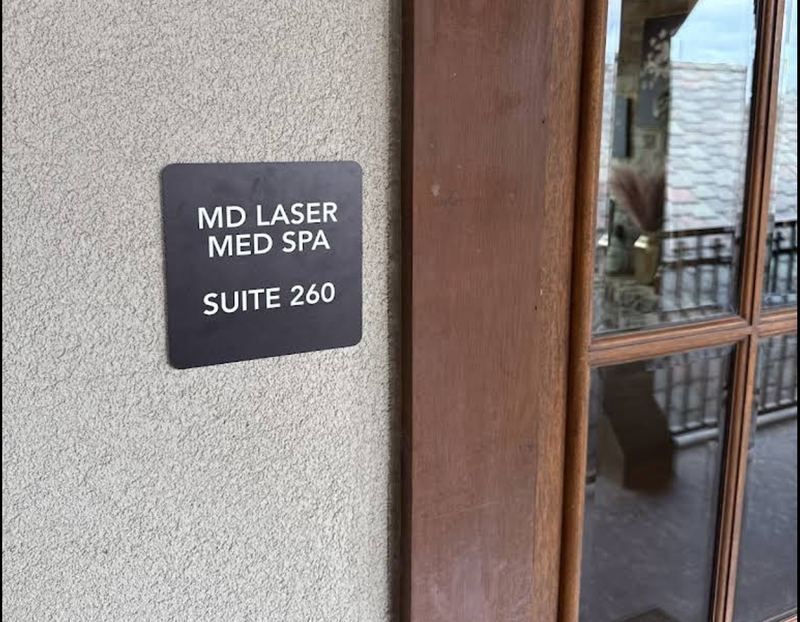
Our Plano location is at 3001 Dallas Pkwy, Ste 260, Plano, TX 75093 — 2nd floor, west entrance —. We are open Tuesday through Saturday, 10:00 AM to 6:00 PM, and closed Sunday and Monday.

Frequently Asked Questions About Chemical Peels in Plano, TX
How much does a chemical peel in Plano cost?

Pricing depends on the peel type selected, the treatment area, and whether you are booking a single session or a series. Because the right peel is chosen only after a consultation and skin analysis, we quote pricing during your visit rather than online. You can request a consultation through our online booking page and we will walk you through options and costs before anything is scheduled.

Does a chemical peel hurt?

Most clients describe a warm, tingling or mild stinging sensation that builds during application and settles within a few minutes. Superficial peels are generally the most comfortable. Deeper treatments feel more intense. A handheld fan and short application windows are used to keep you comfortable, and your provider monitors your skin throughout. Comfort levels vary from person to person.

How long does a chemical peel appointment take?

Plan on roughly 30 to 60 minutes for most peel appointments, including cleansing, prep, application, neutralizing where applicable, and post-treatment products. Your first visit takes a bit longer because it includes a consultation and skin analysis.

Will I actually peel, and how much?

It varies. Some clients experience light flaking around the nose, chin and mouth only. Others shed more visibly across the cheeks and forehead. A few barely peel at all. The amount of visible peeling is not a measure of how well the treatment worked, since exfoliation and cellular turnover continue below the surface regardless of what you see.

Are chemical peels safe for darker skin tones?

Peels can be performed on medium and deeper skin tones, but selection matters a great deal. Richly pigmented skin has a higher tendency toward post-inflammatory hyperpigmentation if a treatment is too aggressive or aftercare is skipped. Our approach is a careful assessment, a conservative starting point, and gradual progression. This is exactly why a professional consultation is required rather than a guess based on a photo.

How often can I get a chemical peel?

Superficial peels are commonly spaced every three to six weeks, and many clients build a series of several sessions for cumulative improvement. Deeper treatments require longer intervals. Your provider will recommend a spacing schedule based on how your skin responds, your goals, and your calendar.

Can I get a chemical peel if I am pregnant or nursing?

Some treatments are not appropriate during pregnancy or while nursing, and options are limited. Please tell us during your consultation so we can review what is and is not suitable, and coordinate with your physician when needed. We may recommend gentler alternatives until later.

What should I do before booking my first chemical peel near me?

Book a consultation and skin analysis first. Come with a list of your current skincare products, any prescription topicals or oral medications, your history of cold sores, recent sun exposure or tanning, and any past reactions to facials or peels. Avoid waxing, retinoids and strong exfoliants in the days beforehand unless instructed otherwise. Your provider will confirm exact pre-treatment instructions for the peel selected.

Ready to Book Your Chemical Peel in Plano, TX?

Your skin will not tell you what it needs — but a trained eye and a proper skin analysis will. Whether you are dealing with stubborn pigmentation, recurring congestion, or simply want your complexion to look awake again, the next step is a conversation with a provider who will assess your skin honestly and recommend only what makes sense for it.

Individual results vary by skin type, concern, and consistency with aftercare, and no outcome can be guaranteed. What we can promise is a careful assessment and a straight answer.

Book your chemical peel consultation at MD Laser Med Spa online — serving Plano, Frisco, McKinney, Allen, Legacy West, North Dallas, Richardson, Carrollton and The Colony. Open Tuesday through Saturday, 10:00 AM to 6:00 PM, at 3001 Dallas Pkwy, Ste 260, Plano, TX 75093.