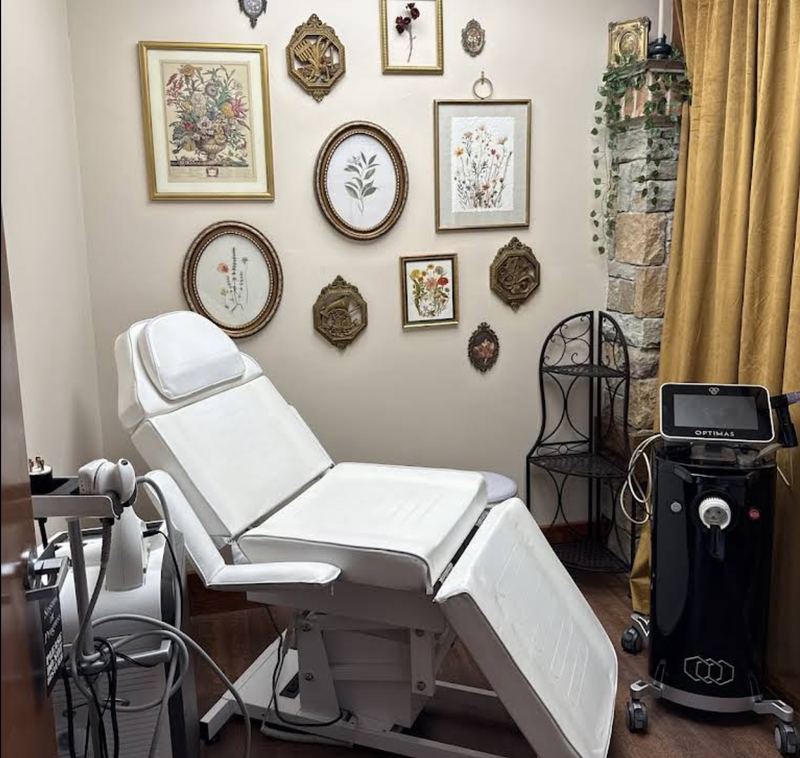
Microneedling in Plano, TX
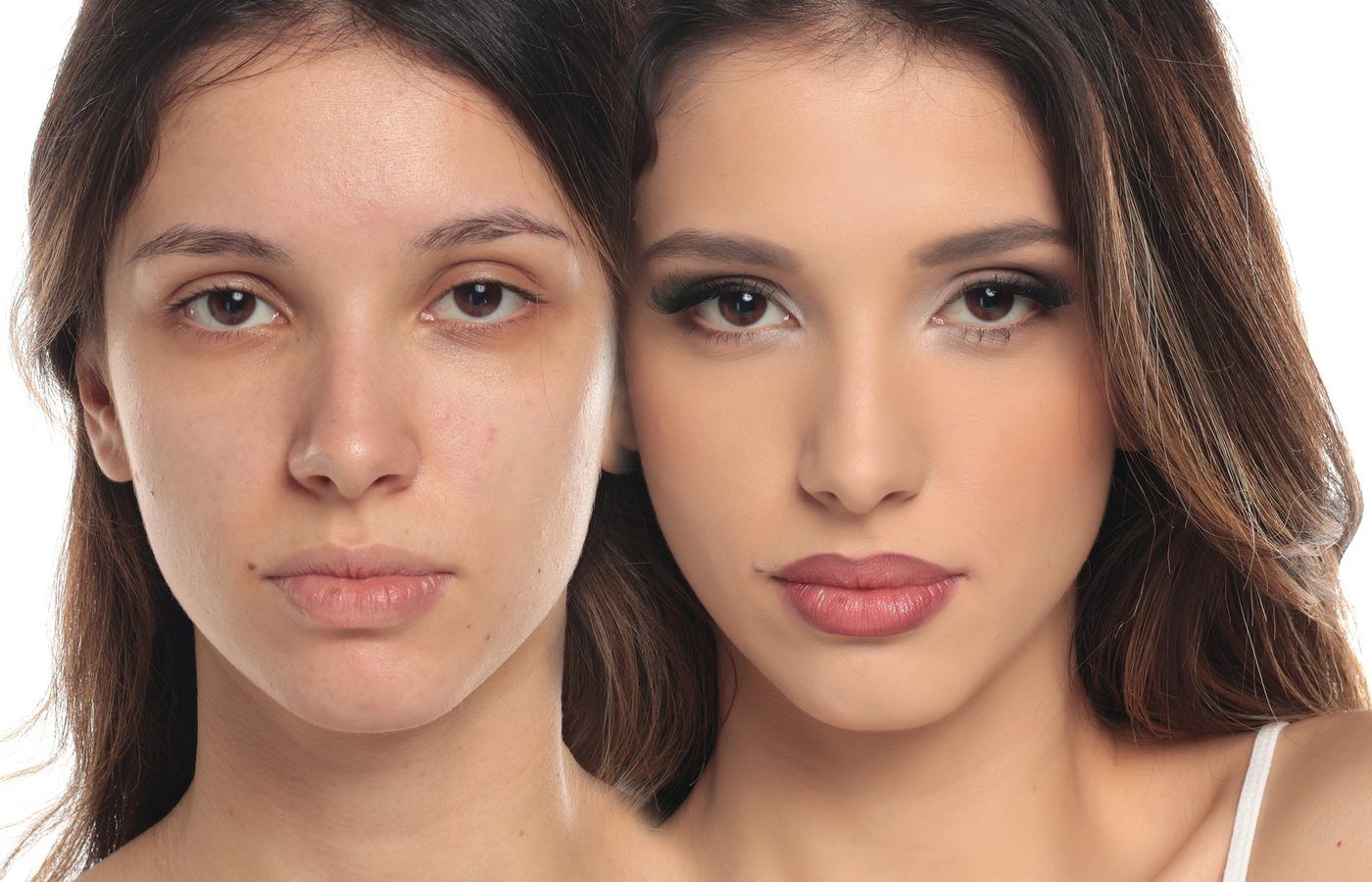
If you have spent years covering up acne scars with concealer, squinting at your pores under bathroom lighting, or watching your skin lose the smooth, reflective quality it once had, you have probably already researched a dozen options. Microneedling in Plano is one of the most requested treatments at our med spa for a simple reason: instead of masking the problem, it asks your skin to rebuild itself. At MD Laser Med Spa on Dallas Parkway, our TDLR-certified team performs collagen induction therapy for clients across Plano, Frisco, McKinney, Allen, Legacy West and North Dallas who want real textural change without surgery or extended downtime.
What Is Microneedling (Collagen Induction Therapy)?
Microneedling is a minimally invasive treatment that uses a sterile, single-use cartridge of very fine needles to create thousands of controlled micro-channels in the surface layers of the skin. It is also called collagen induction therapy, and that second name explains the point of the treatment far better than the first.
Your skin is remarkably good at repairing itself, but after your mid-twenties it stops volunteering. Collagen and elastin production slows roughly one percent per year, and the scaffolding underneath your skin gradually thins. Old acne scars stay tethered down. Pores look larger because the collagen that used to hold them tight has degraded. Fine lines etch in. Microneedling gives the skin a reason to start producing again by creating a controlled, precisely calibrated wound-healing response.
Because classic microneedling is purely mechanical — no heat, no light, no chemical peeling agent — it works across a wide range of skin tones and is generally considered one of the lower-risk resurfacing options available. If you want a deeper primer on the science before you book, our guide on whether microneedling really works walks through the evidence in plain language.
How Microneedling Works
The mechanism happens in three overlapping phases, and understanding them explains why results build over months rather than showing up overnight.
- Inflammation. The micro-channels trigger an immediate healing signal. Platelets and growth factors flood the area within minutes to hours. This is the flushed, warm look you see right after treatment.
- Proliferation. Over the following days and weeks, fibroblasts — the cells responsible for building connective tissue — migrate into the treatment zone and begin laying down fresh collagen and elastin.
- Remodeling. This is the slow phase and the valuable one. Across roughly four to twelve weeks, that new collagen matures, reorganizes and tightens. Scar tissue is progressively replaced with more normal, better-organized tissue.
A secondary benefit is absorption. The micro-channels temporarily allow serums applied during and after treatment to penetrate far more effectively than they would through intact skin. This is why the products used in the treatment room matter and why applying the wrong thing at home in the first 24 hours can undermine the entire session.
What Microneedling Treats
Collagen induction therapy is one of the most versatile tools we have, but it is best understood as a texture and quality treatment rather than a lifting treatment. Many clients pursue it for:
- Acne scarring. Rolling and boxcar scars tend to respond well because microneedling both breaks up fibrous tethering and stimulates fill-in from below. This is the single most common reason clients search for acne scar treatment in Plano and end up in our chair.
- Uneven texture and roughness. Skin that feels bumpy, grainy or dull under makeup often smooths noticeably across a series.
- Enlarged pores. Pores cannot be permanently shrunk, but restoring collagen around the pore wall may help them appear tighter and less shadowed.
- Fine lines. Crepey texture around the eyes, forehead and upper lip is a common target.
- Stretch marks. Abdomen, thighs, hips and upper arms can be treated. Older white stretch marks generally require more sessions and patience than newer red ones.
- Tone and dullness. Many clients notice a brighter, more even complexion as the surface renews.
- Surgical and injury scars. Once fully healed, many scars can be softened over a series.
What microneedling does not do is replace volume or lift significantly loose skin. Being honest about that boundary is part of a good consultation, and it leads directly to the question we get asked most.
Microneedling vs. Morpheus8 RF Microneedling: Which Is Right for You?
Both treatments use needles. That is where the similarity ends.
Classic microneedling works mechanically in the epidermis and upper dermis. It is our go-to for surface-level concerns: texture, scarring, pores, fine lines, stretch marks and overall skin quality. Recovery is typically shorter, the treatment is generally more accessible for a wide range of skin types, and it can be repeated on a comfortable schedule.
Morpheus8 adds radiofrequency energy delivered through insulated needles into deeper tissue, including the subdermal layer. That thermal component contracts and remodels tissue in a way needles alone cannot, which is why it is the better conversation for jawline definition, submental laxity, sagging along the lower face and more advanced skin tightening.
A practical way to think about it: if your concern is how your skin feels and reflects light, classic microneedling is usually the right starting point. If your concern is how your skin hangs, you should read about Morpheus8 RF microneedling in Plano instead. Some clients ultimately use both at different stages, and your provider will tell you honestly which one fits your goals rather than defaulting to the more expensive device.
Who Is a Good Candidate?
Microneedling suits a broad range of clients, but candidacy is determined at consultation — not online, and not by a quiz. You may be a good candidate if you are in generally good health, have realistic expectations, and are dealing with textural concerns, scarring or early signs of aging.
Microneedling is generally not appropriate if you have active acne breakouts in the treatment area, an active cold sore, open wounds, an eczema or psoriasis flare in the area, a history of keloid scarring, certain bleeding or autoimmune conditions, recent isotretinoin use, or if you are pregnant or breastfeeding. We review all of this before anything touches your skin.
What to Expect at Your Appointment
The Consultation
Every microneedling client starts with a consultation. We assess your skin type, examine the specific concerns you want addressed, review your medical history and current skincare, and determine whether you are a candidate. If we do not think microneedling is the right tool for your goal, we will say so.
Numbing
A topical anesthetic is applied and left on for roughly 20 to 30 minutes. Bring headphones. This is the slowest part of the visit.
The Treatment
After cleansing and removal of the numbing cream, we pass the device across the treatment area in a methodical, overlapping pattern, adjusting depth by zone — shallower around the eyes and forehead, deeper across scarred cheeks. Full-face treatment typically takes 20 to 30 minutes. Most clients describe a vibrating, prickling sensation rather than sharp pain. A calming serum and protective barrier product finish the session.
Day-by-Day Recovery
- Day 0: Skin looks flushed and warm, similar to a moderate sunburn. Some pinpoint bleeding is normal at deeper settings.
- Day 1: Redness fades toward pink. Skin feels tight and slightly sensitive. Most clients go back to work.
- Days 2–3: Mild swelling settles. Skin may feel rough or sandpapery as the surface turns over.
- Days 4–5: Light flaking or peeling is common. Do not pick.
- Day 7 onward: Many clients notice a fresh, smoother look. The real collagen work continues quietly underneath for weeks.
Recovery timelines vary based on treatment depth, skin type and aftercare compliance.
How Many Sessions Do You Need?
Microneedling is a series treatment, not a one-time event. General texture, tone and fine-line concerns commonly call for three to six sessions spaced four to six weeks apart — enough time for one healing cycle to complete before the next begins. Moderate to severe acne scarring and stretch marks typically require a longer commitment, and progress is measured in months.
Once you reach the result you were after, many clients transition to maintenance sessions a few times per year to stay ahead of ongoing collagen loss. Your provider will build a plan at consultation and adjust it based on how your skin actually responds. Results vary from person to person.
Aftercare: Do's and Don'ts
Do:
- Keep skin clean with a gentle, non-foaming cleanser and lukewarm water
- Apply a bland, fragrance-free moisturizer to support the barrier
- Use broad-spectrum SPF 30 or higher daily starting the second day, and stay out of direct sun
- Sleep on a fresh pillowcase and drink plenty of water
- Let flaking skin shed on its own
Don't:
- Wear makeup for the first 24 hours
- Apply retinoids, vitamin C, exfoliating acids or actives for roughly five to seven days
- Exercise heavily, use saunas, steam rooms, hot tubs or swimming pools for 48 to 72 hours
- Touch, scrub or pick at the treated area
- Book a facial, wax, laser or chemical peel in the same window without checking with us first
Aftercare is genuinely where a large share of your result is won or lost. Our detailed microneedling aftercare guide for Plano clients covers product recommendations and the North Texas sun problem in more depth.
Timing Microneedling Before a Wedding or Big Event
This is the mistake we see most often: someone books their first-ever microneedling session ten days before a wedding. Please do not.
Because collagen builds gradually and a series is usually required, plan backward generously. A reasonable framework is to begin your series three to six months before the event so you can complete multiple sessions with proper spacing. Schedule your final session no closer than four weeks out, which leaves ample buffer for redness and flaking to fully resolve and for the last round of collagen to mature. If you are inside a four-week window, a HydraFacial is usually the smarter choice.
For brides, graduates and anyone with a photographed milestone on the calendar, our article on planning your microneedling treatment timeline before an event lays out a month-by-month schedule.
Why Choose MD Laser Med Spa in Plano
Searching microneedling near me returns a long list. Here is what separates our practice:
- Credentialed, experienced hands. Tuba K. is a TDLR-certified Aesthetician and Laser Hair Removal Professional with more than 20 years in medical aesthetics. Sabrina C. is an esthetician and laser technician. Mustafa K. is a TDLR-certified LSO and LHR Technician who holds an MD degree. Depth settings and treatment judgment are not things you want a beginner guessing at.
- Honest recommendations. We have Candela GentleMax Pro, Morpheus8 and HydraFacial on site, which means we have no incentive to push you toward one device. We recommend what fits your skin.
- 95 Google reviews from clients across Plano, Frisco, McKinney, Allen, Richardson, Carrollton, The Colony and North Dallas.
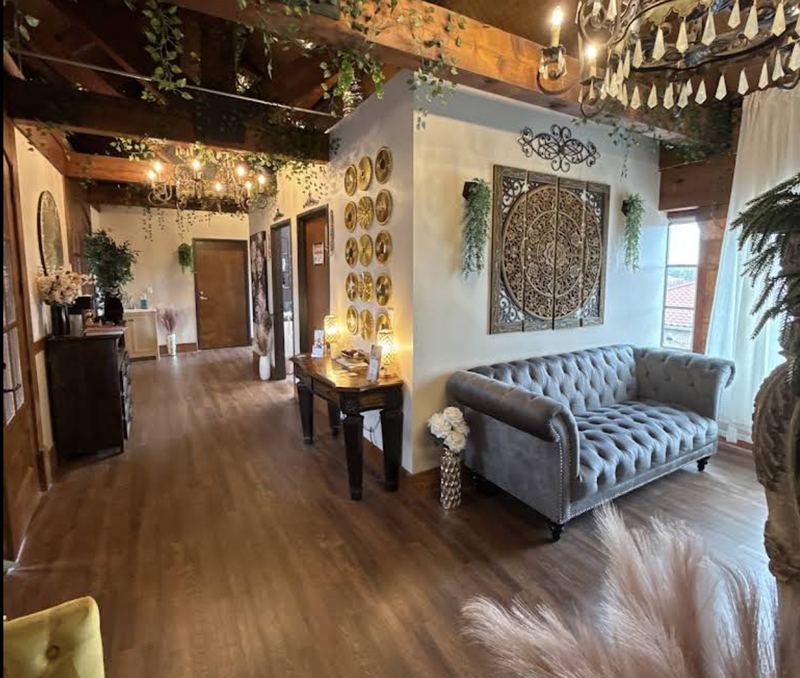
- Convenient location. 3001 Dallas Pkwy, Ste 260, Plano, TX 75093 — 2nd floor, west entrance — minutes from Legacy West.
- Hours that work. Tuesday through Saturday, 10:00 AM to 6:00 PM. Closed Sunday and Monday.
New to the treatment entirely? Start with our complete guide to microneedling for radiant skin.
Frequently Asked Questions About Microneedling
Does microneedling hurt?
Most clients describe microneedling as a series of light vibrations with some prickling, especially along the forehead, hairline and jawline where skin sits closer to bone. We apply a topical numbing cream and let it sit for roughly 20 to 30 minutes before we begin, which makes the treatment very tolerable for the majority of people. Comfort levels vary from person to person and depend on the treatment depth we select for your goals.
How long is the downtime after microneedling?
Social downtime is typically short. Many clients look moderately flushed, similar to a sunburn, for 24 to 48 hours, with mild tightness or light flaking around days two through four. Most people return to work or normal errands the next day, though makeup is best avoided for the first 24 hours. Recovery varies based on treatment depth, your skin type and how closely you follow aftercare.
How many microneedling sessions will I need?
General texture and fine-line concerns are commonly addressed with a series of three to six sessions spaced about four to six weeks apart. Deeper acne scarring and stretch marks often require more sessions over a longer period. Your provider will recommend a plan at your consultation, and the number of sessions that is right for you may change as we assess how your skin responds.
When will I see results from microneedling?
Many clients notice a fresh glow and smoother surface texture within the first week or two as swelling settles. The more meaningful changes come from new collagen, which the body builds gradually over roughly four to twelve weeks after each session. Results are cumulative across a series and vary by individual, age, skin condition and lifestyle factors such as sun exposure and smoking.
Is microneedling safe for darker skin tones?
Microneedling is generally considered a good option across a wide range of Fitzpatrick skin types because it creates a controlled mechanical injury rather than relying on heat or light targeting pigment. That said, any skin type can experience post-inflammatory hyperpigmentation, so a consultation, appropriate treatment depth and diligent sun protection are essential. Your provider will review your history and current skincare at your visit.
What is the difference between microneedling and Morpheus8?
Classic microneedling uses fine needles to create micro-channels in the upper layers of the skin, stimulating collagen for texture, scarring, pores and fine lines. Morpheus8 combines microneedling with radiofrequency energy delivered deeper into the tissue, which adds a skin-tightening and remodeling component. Microneedling is often chosen for surface concerns and shorter recovery, while Morpheus8 is often chosen for laxity and deeper contour concerns.
Can microneedling be combined with other treatments?
Yes, microneedling is frequently sequenced with other services as part of a longer-term plan. Some clients pair it with a HydraFacial on an alternating schedule to keep the skin clear between sessions, and others alternate microneedling with laser treatments over the course of a year. Timing and spacing matter a great deal, so combinations should always be planned by your provider rather than booked back to back on your own.
Who should not get microneedling?
Microneedling is generally not appropriate during active acne breakouts in the treatment area, with active cold sores, open wounds, eczema or psoriasis flares in the area, during pregnancy or breastfeeding, with recent isotretinoin use, with a history of keloid scarring, or with certain bleeding, autoimmune or immunosuppressive conditions. A consultation is required so we can review your medical history and determine whether you are a candidate.
Book Your Microneedling Consultation in Plano
Your skin already knows how to rebuild collagen. Collagen induction therapy in Plano, TX simply gives it the signal to start. Whether you are working on acne scars you have carried since high school, texture that makeup no longer sits well over, or stretch marks you would rather stop hiding, the first step is a conversation with someone qualified to tell you the truth about what is achievable.
MD Laser Med Spa serves Plano, Frisco, McKinney, Allen, Legacy West, North Dallas, Richardson, Carrollton and The Colony. We are open Tuesday through Saturday, 10:00 AM to 6:00 PM.
Book your microneedling consultation online and let's build a plan around your skin.
Individual results vary. Microneedling is not appropriate for everyone, and a consultation is required to determine candidacy. This page is for informational purposes and is not medical advice.